Themes & Symbolism
Limpieza de Sangre: Blood, Ancestry, and Exclusion
The second Alatriste novel takes its title from one of Habsburg Spain's most corrosive legal fictions — the doctrine that Christian identity was a matter of blood, not belief.
Limpieza de Sangre — published in 1997, one year after the first novel — takes its title from a legal and social doctrine that defined true Christians as those with no Jewish, Muslim, or non-European ancestry. For the world Captain Alatriste and Íñigo Balboa inhabit, this was not abstract history. It was the mechanism that sorted people into the deserving and the damned.
Mass conversions, beginning well before the Reconquest ended, produced two distinct groups: Conversos (former Jews) and Moriscos (former Muslims). Both were widely suspected of practising their old faiths in secret. That suspicion drove a crucial shift — "Christian" identity moved from personal belief to ancestral bloodline. Anti-converso violence in Toledo gave the movement its first formal monument: the 1449 Sentencia-Estatuto of Toledo, a blood-purity statute issued in response to those riots.
Those seeking office or entry to guilds, military orders, or universities had to produce a certificate proving their purity of blood, and New Christians who could not provide it faced exclusion; many resorted to bribery or forged genealogies. Survival meant either proving ancestry you might not have — or buying the paperwork that said you did.
The Basque Exception and the Law's Long Decline
The Basque Country occupied a unique position in this system. Because its provinces were held never to have been settled by Moors or Jews, native Basques were treated as hidalgos, nobles by birth, and presumed to be of clean blood without further proof.
Christian identity had become a matter of ancestry, not conscience — and the paperwork to prove it could be bought.
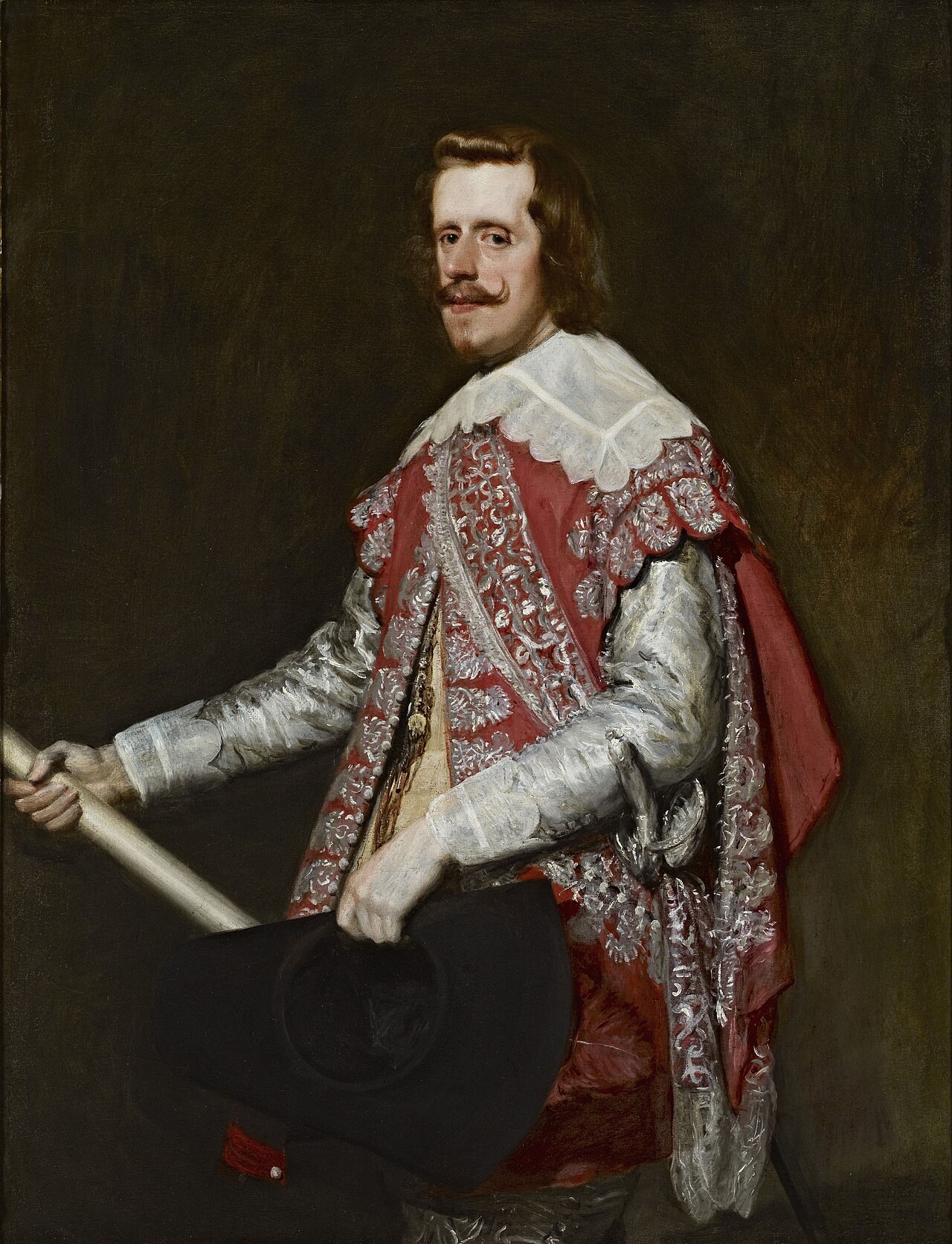
By the nineteenth century the tests were fading in practice; individuals were rarely challenged. The laws survived on paper until 1865, when the Spanish state formally abolished them — the real end of a system that had shaped Spanish society for nearly four centuries. King Philip IV's Madrid, the city of the Alatriste novels, sits squarely inside the doctrine's long reign.
What the Doctrine Means Inside the Novel
Arturo Pérez-Reverte uses the purity-of-blood doctrine not as historical decoration but as structural pressure.
For Íñigo Balboa, narrating from old age, the doctrine is part of the moral atmosphere he breathed as a boy — a system so embedded that questioning it was itself dangerous. Pérez-Reverte makes the reader feel its weight without ever turning the novel into a lecture.