The Novels · Review
The Falcó Trilogy: Arturo Pérez-Reverte's Darkest Work
A morally crooked spy, a dirty war, and the author who lived enough real history to make all of it feel true.
Before Arturo Pérez-Reverte gave the world Captain Alatriste, he spent more than two decades in active war zones as a correspondent for Spanish national television. That front-line experience — raw, morally ambiguous, often brutal — shaped everything about his prose. It is what makes the Falcó trilogy feel less like historical fiction and more like testimony.
Pérez-Reverte has been a member of the Real Academia Española since 2003 and divides his time between Cartagena and Madrid. Sailing is his preferred escape. The trilogy — Falcó (2016), Eva (2017), and Sabotaje (2018) — is among his most assured and unsettling work.
Lorenzo Falcó: The Wrong Man for a Dirty War
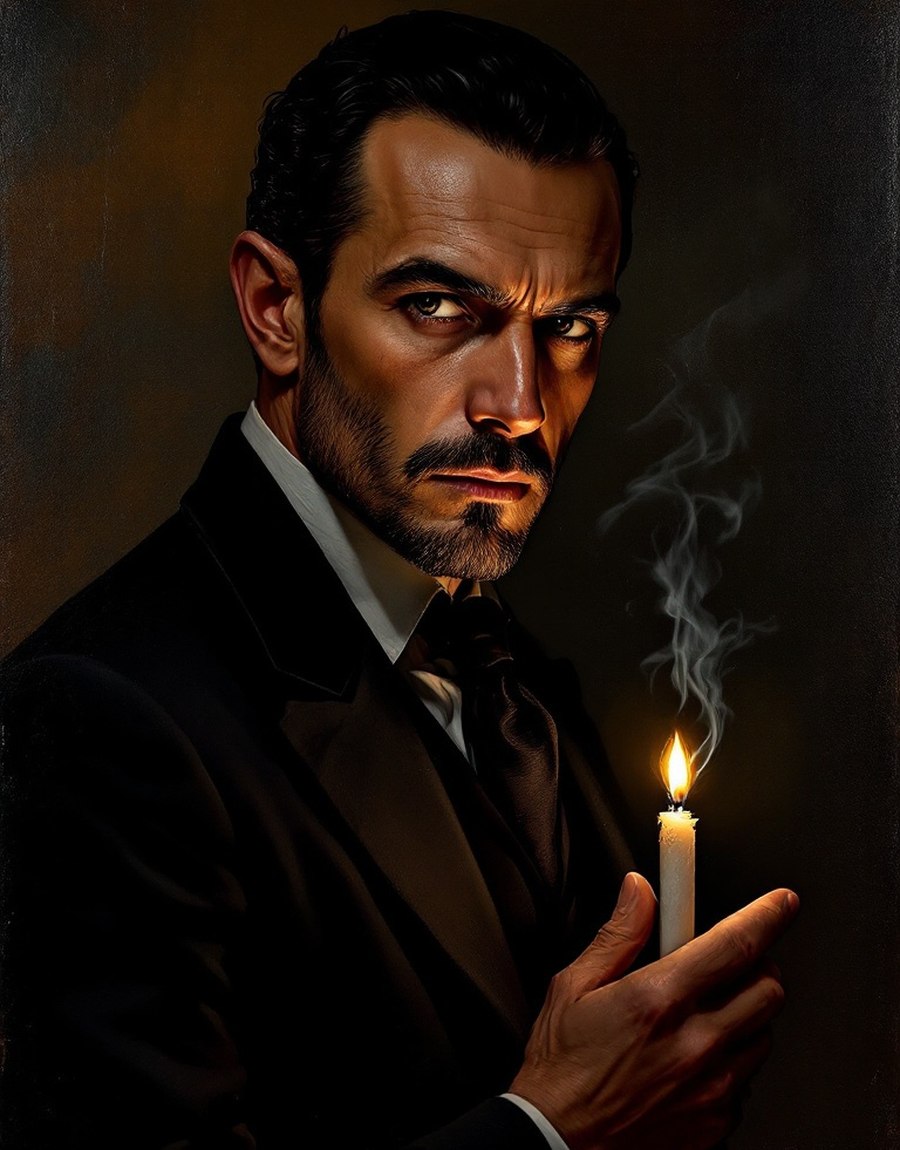
Set in Spain during the 1930s Civil War, the trilogy follows Lorenzo Falcó — a spy who works for Franco's secret service not out of ideology but for money and, frankly, the thrill. Think a morally crooked Spanish counterpart to James Bond: charming, ruthless, and entirely self-aware about it. He smokes cigars, debates the ethics of the war with fellow agents, and completes missions he knows are dirty.
You spend the whole series trying to decide if Falcó is the good guy. By the time you figure it out, you've finished all three books.
Pérez-Reverte never tells you whether Falcó is the hero or the villain — and that tension is the engine of all three books. Falcó is not a fascist; he works for one. That distinction is exactly what makes him so unsettling — and so compelling.
Verdict
The prose is fast, the historical atmosphere dense without being heavy, and the supporting cast adds genuine depth. One minor weakness: Pérez-Reverte occasionally lingers too long on physical descriptions of female characters — a small flaw in an otherwise tightly controlled series.
If you read for plot alone, the trilogy delivers. If you read to be made uncomfortable in the best possible way — prodded about loyalty, morality, and what side of history you'd land on — it delivers even more. Pérez-Reverte's war-correspondent instincts give the 1930s Spanish backdrop a credibility that no amount of pure research can fake.