The Film · Analysis
Shadow and Steel: The Visual and Moral Logic of Alatriste (2006)
How Agustín Díaz Yanes compressed five novels into 134 minutes — and why a Velázquez palette was the only honest choice.
The 2006 film Alatriste distills the first five novels of Arturo Pérez-Reverte's Captain Alatriste series into a single 145-minute epic, with threads from the remaining two novels woven across its arc. Director Agustín Díaz Yanes has been candid about how close it came to never existing at all: the project hinged entirely on casting the right lead. When Viggo Mortensen agreed to take the role, the film moved from uncertain prospect to full production.
The narrative spans Captain Alatriste's service in the Flanders campaigns of 1623 through Spain's grinding defeat in France in 1643 — a twenty-year arc that maps the country's fall from dominant European power to a nation hollowed out from within. That slow, visible decline gives the film much of its emotional weight.
The making of the film depended entirely on the choice of the lead.
Mortensen, the Cast, and the Castilian Accent
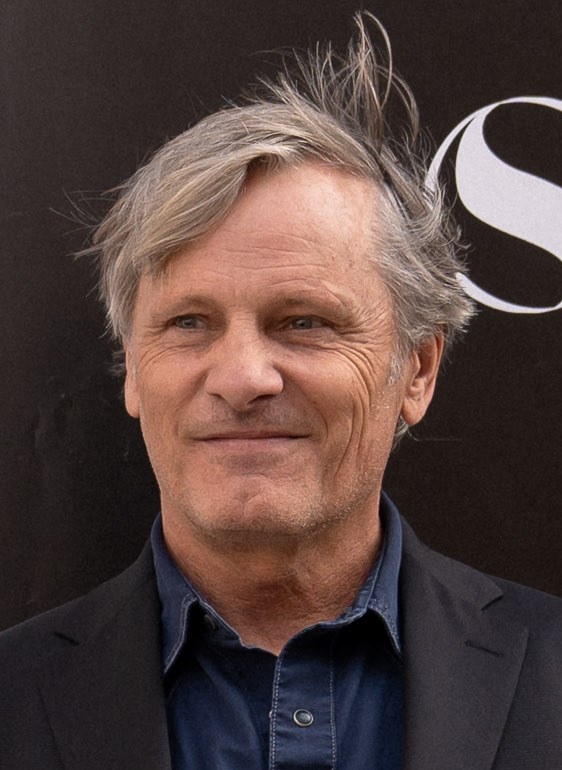
Mortensen adopted a Castilian Spanish accent — a conscious departure from the South American inflection he grew up with — and inhabits the captain with a weathered, antisocial stillness. He is not alone: Unax Ugalde as Íñigo Balboa and Elena Anaya as Angélica de Alquézar lead a strong supporting ensemble that also includes Eduardo Noriega and Ariadna Gil.
The Velázquez Palette: Glory and Decay
Where Hollywood tends toward washed-out brightness, Alatriste leans into deep shadow and dark, earthy tones — a palette that echoes the paintings of Diego Velázquez and signals a Spain that is magnificent on the surface and decaying beneath. The browns and blacks saturating every frame are not merely aesthetic. They reflect the same moral ambiguity running through Pérez-Reverte's novels: glory purchased at enormous human cost.