People · Actor
Viggo Mortensen: Hollywood Non-Conformist at the Panida Theater
Best known as Aragorn, Mortensen is also a poet, painter, and photographer — a non-conformist whose off-screen life is as layered as the roles he chooses.
Viggo Mortensen is best known for playing Aragorn ↗ in The Lord of the Rings trilogy, but his interests run well beyond acting. He is also a poet, painter, and photographer — qualities that give him a reputation as something of a non-conformist in Hollywood circles.
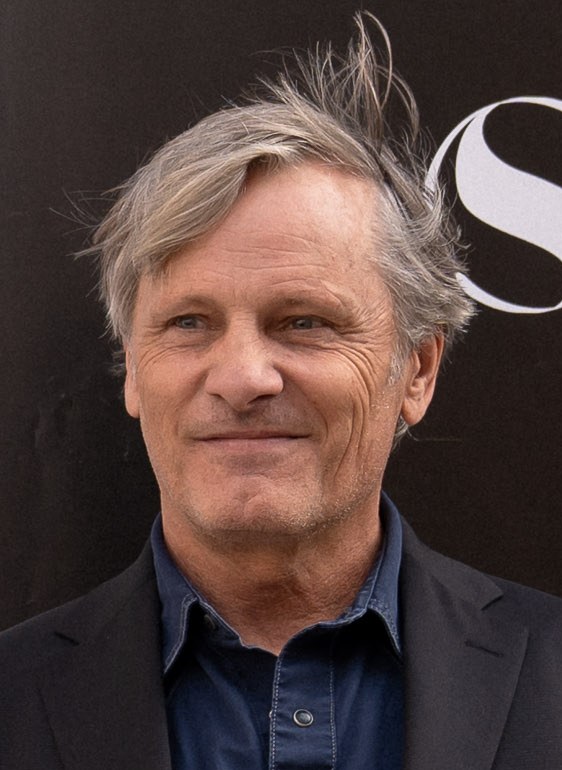
Viggo Mortensen
Actor, poet, painter, and photographer
- Known for The Lord of the Rings and Captain Fantastic
- Longstanding ties to North Idaho ↗
A Night at the Panida Theater
Mortensen's attachment to the region was on full display when a charity screening was organised at the Panida Theater ↗ in Sandpoint, Idaho ↗. Tickets for the event — billed as A Movie and Evening with Viggo Mortensen — sold out quickly. Proceeds benefited Panhandle Community Radio ↗ and Team Autism 24/7 ↗.
- Charity screeningCaptain Fantastic screened at the Panida Theater, Sandpoint
- Post-screeningMortensen appeared for a live Q&A with the audience
- ProceedsBenefited Panhandle Community Radio and Team Autism 24/7
On Captain Fantastic and Moral Complexity
The film screened that evening was Captain Fantastic, in which Mortensen plays Ben Cash ↗ — a father raising his children deep in the wilderness, then struggling to reintegrate his family into mainstream society. In the interview that followed, Mortensen was candid about what drew him to the role.
The difference between conservative and progressive people is not that one is right and the other is wrong. Both parties have an opportunity to assume villainy and heroism in divergent events.
He argued that the script deliberately avoids assigning villain or hero status to any character. Ben Cash, he explained, goes to extraordinary lengths to give his children a rigorous education and an intellectually honest upbringing — and Mortensen found that foundation genuinely admirable, even where the character's methods invite scrutiny. His appeal lies precisely in that ambiguity: Captain Fantastic asks audiences to hold admiration and criticism simultaneously — which is, he suggested, closer to how real life works.